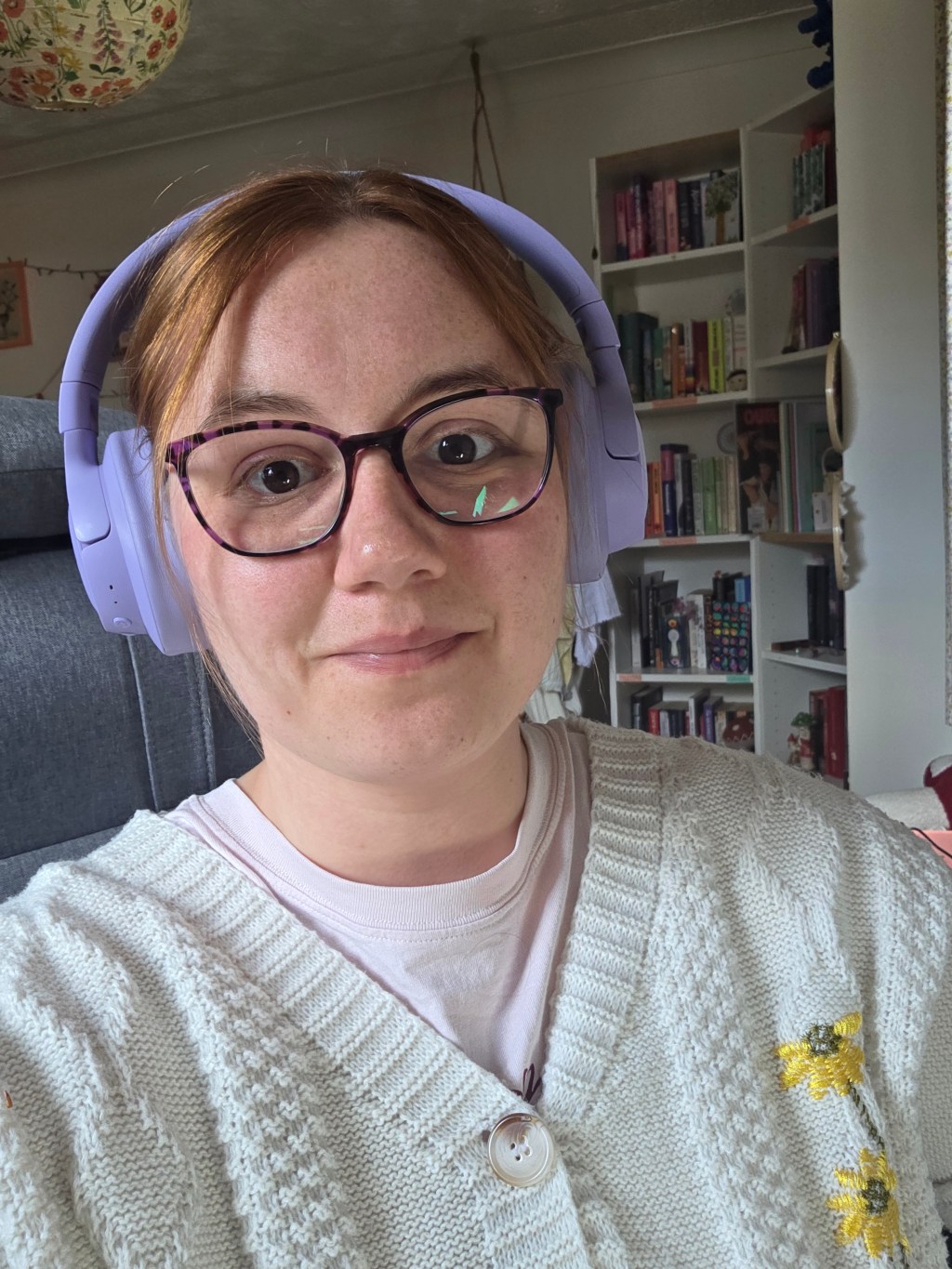
Recent claims that autistic children are being over-accommodated in schools, that tools like ear defenders should be limited to prepare them for the “real world” – rely on a fundamental misunderstanding of what those supports actually are.
They are not indulgences. They are not barriers to development. They are access.
Within the autistic community, sensory overload is not described as mild discomfort or something that builds character through exposure. It is described as overwhelming, disorienting, sometimes physically painful. Noise does not fade into the background. It competes, all at once, with equal intensity, voices, movement, lighting, unpredictable sounds, until concentration becomes impossible and distress takes over.
In that context, ear defenders are not about avoidance. They are what make participation possible.
Framing their use as something that prevents children from being “ready” for adulthood ignores a critical reality: without support, many autistic people are not being prepared for the world, they are being pushed beyond their limits within it.
The idea that the “real world” cannot accommodate autistic needs is often presented as pragmatic. But it is not neutral. The environments autistic people are expected to adapt to – schools, workplaces, public spaces – have largely been designed around non-autistic norms. Noise levels, sensory input, social expectations and pace are not inevitable features of reality; they are choices.
To insist that autistic children must adjust to those conditions without support is to frame exclusion as unavoidable, rather than changeable.
Within the autistic community, there is also a deep awareness of what can happen when support is withdrawn in the name of resilience. It has a name: masking.
Masking is the process of suppressing autistic traits and needs to appear “typical.” It is often what is actually being encouraged when children are pushed to tolerate overwhelming environments without tools or adjustments. From the outside, it can look like progress – like a child who is coping better, who is becoming more adaptable.
From the inside, it is frequently associated with exhaustion, anxiety, loss of identity and, over time, burnout.
What is described in debates like this as preparation for adulthood can, in reality, be preparation for long-term harm.
There is also an assumption underpinning these arguments that support creates dependency – that by allowing tools like ear defenders, we limit independence. But this depends entirely on how independence is defined.
If independence means functioning, participating, learning and maintaining wellbeing, then support is not a barrier to it. It is what enables it.
Removing that support does not build resilience. It reduces access.
A further issue is whose voices are shaping these narratives. Too often, discussions about autistic lives are led by people without lived experience, people in positions of authority, making broad claims about what autistic individuals need in order to succeed.
But autistic people themselves have consistently articulated the consequences of being expected to endure environments that overwhelm them. Those perspectives are not theoretical. They are grounded in lived reality.
The “real world” is frequently invoked as a justification for limiting support. But the real world already includes the principle of reasonable adjustments. It includes, at least in law and policy, the recognition that access matters and that environments can and should adapt.
The question, then, is not whether autistic people can be made to tolerate less supportive environments. It is whether society is willing to uphold its responsibility to be more inclusive.
If preparing autistic children for adulthood means removing the tools that allow them to function, then what is being prepared is not resilience, but struggle.
And if the version of the “real world” being presented requires autistic people to exist in a constant state of overwhelm in order to prove they can cope, then it is not autistic people who need to change.
It is the world itself.


Leave a Reply