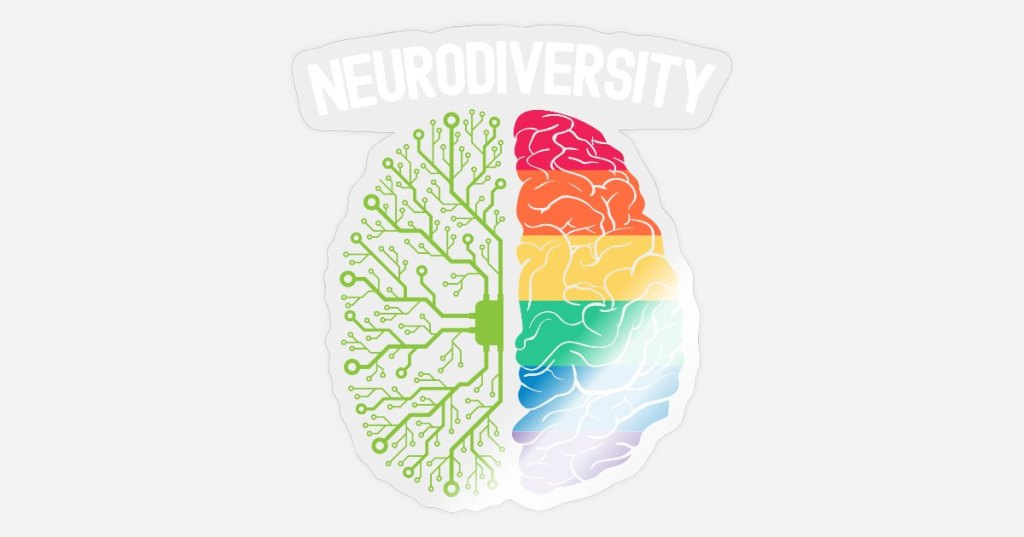
When one partner is ADHD and the other is autistic, life can feel like an intricate dance—sometimes in sync, sometimes stepping on toes—but always evolving. There’s an undeniable rhythm to the relationship, even if it occasionally feels like it’s going a little too fast or a little too slow. Despite the differences, relationships like these come with a unique set of strengths. Understanding each other’s ways of thinking and navigating the world isn’t always easy, but it’s always worth it.
The Highs: Finding Balance
One of the most beautiful aspects of a relationship between an ADHD partner and an autistic one, is the balance they can create together. The ADHD partner often brings a sense of excitement and spontaneity, introducing new adventures, opportunities, and perspectives. On the other hand, the autistic partner’s need for structure and predictability can provide a grounding influence. This balance can lead to creative problem-solving—combining the ADHD partner’s adaptability and enthusiasm with the autistic partner’s attention to detail and focus.
For example, while the ADHD partner might be quick to initiate plans or suggest new activities, the autistic partner may be the one to help create a plan or ensure there’s time to think things through. This synergy can be incredibly fulfilling when both partners understand how to make each other’s strengths work.

The Lows: Misunderstandings and Communication Hurdles
However, as with any relationship, there are challenges. One common difficulty is navigating the difference in processing speeds. A partner who is ADHD may speak or think quickly, jumping from topic to topic without noticing it. For the autistic partner, who may process information more slowly and prefer to focus deeply on one subject, this can be overwhelming. The ADHD partner might feel frustrated by what they perceive as a lack of enthusiasm or response, while the autistic partner may need to pause or withdraw to process the conversation in their own time.
Another challenge arises in social situations or spontaneous events. The partner with ADHD might thrive on unpredictability, enjoying the freedom of jumping into new experiences without a second thought. But for the autistic partner, this can create stress or anxiety, as unexpected changes disrupt their sense of stability. Planning becomes a delicate balancing act, where one partner craves flexibility, and the other craves clarity.

What Matters Most: Patience, Communication, and Flexibility
Navigating these highs and lows requires patience, communication, and flexibility. It’s essential for both partners to understand that their experiences of the world, while different, are equally valid. This means taking time to actively listen and express needs clearly.
For the ADHD partner, it’s important to recognise that their partner may need more time to process information, make decisions, or adjust to changes. Practicing patience—whether it’s giving space for thoughtful responses or not rushing into decisions—can go a long way.
For the autistic partner, it’s helpful to communicate specific needs and boundaries, especially around sensory sensitivities or routines. For example, letting the ADHD partner know when something is overwhelming or when a break is needed can help prevent misunderstandings. Creating a comfortable environment where both partners feel safe and respected is key.
One of the most rewarding aspects of this type of relationship is the growth both partners experience. They learn to adapt to each other’s needs, becoming more flexible, patient, and empathetic. The ADHD partner may develop a deeper sense of structure and focus, while the autistic partner may learn to embrace a bit of spontaneity, finding joy in the unexpected.

A Unique Strength: The Beauty of Difference
In a relationship where one partner is ADHD and the other is autistic, the greatest strength often lies in the differences themselves. Each partner brings something valuable to the table, whether it’s creativity, focus, energy, or precision. These differences can enrich the relationship, creating a dynamic that encourages growth and mutual support.
Ultimately, what matters most in any relationship is understanding, respect, and the willingness to work together to find a rhythm that works for both people. ADHD and autism, while often misunderstood, are different ways of experiencing the world—and with open communication and a willingness to meet each other halfway, these differences can lead to a deeper, more rewarding connection.
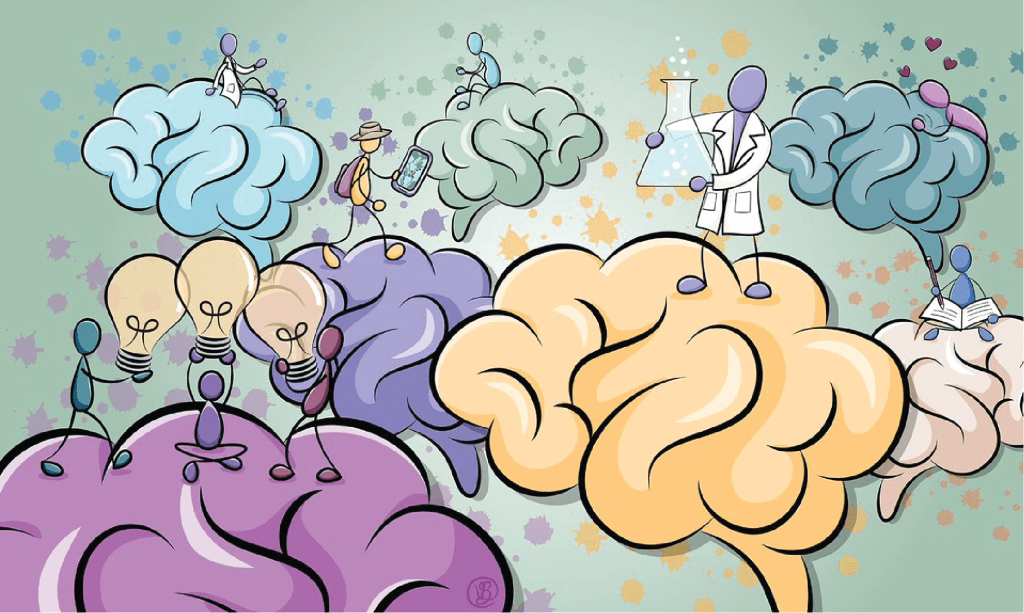
At the end of the day, it’s about finding balance, sharing laughs over the chaos, and knowing that despite the challenges, there’s a deep sense of mutual care. It may take time to figure out the rhythm, but when it clicks, it’s a partnership full of potential, joy, and growth.
 Spectrum Spark
Leave a comment