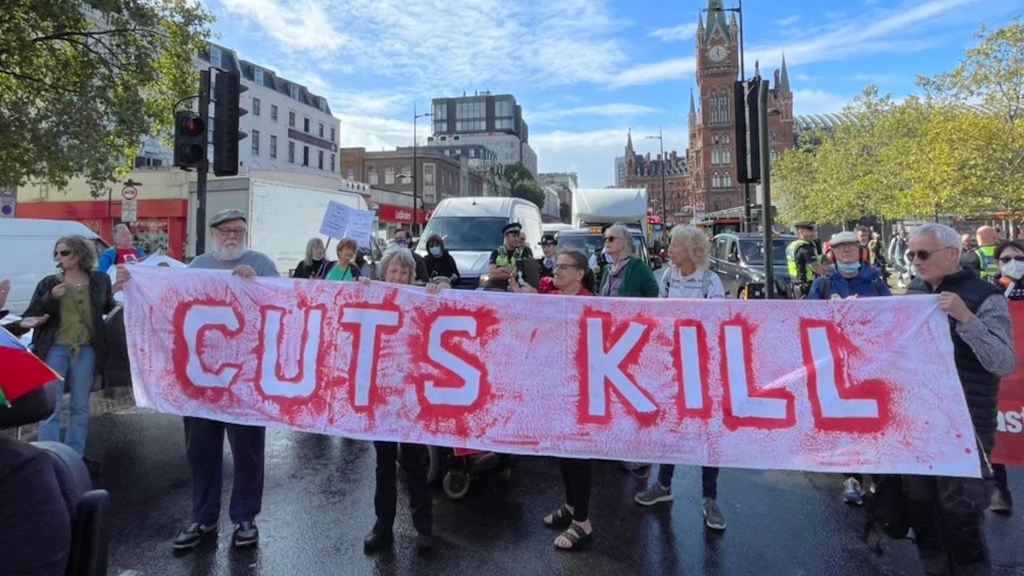
In a society that often claims to value equality and human dignity, it is nothing short of abhorrent that we continue to strip disabled people of their basic rights and needs. Across the UK, vulnerable individuals are being pushed further into the margins of society, denied the essential support they need to live with dignity, and forced to endure an increasingly hostile system that ignores our struggles and humanity. It is a moral failure that calls for our urgent attention.
For many disabled people, those with mental health conditions, and long-term illnesses, this is not just a matter of financial hardship—it’s a matter of survival. When individuals are denied access to the benefits and resources that help us live independently, we are being told that our lives are less important. That our needs are not worthy of attention. But in reality, the barriers we face are not self-inflicted; they are the result of a failing system, an uncaring government, and an ever-deepening divide between the privileged and the marginalised.
The Struggles of Getting Help: It’s Not About Overdiagnosis, It’s About Unmet Need
Let’s be clear: disabled people are not over diagnosed. The reality is that it is an overwhelming struggle just to be heard. Far too many disabled people and those with mental health conditions are met with resistance, disbelief, and neglect when seeking help. The system is set up to dismiss us at every turn.
Take, for example, the experience of seeking medical care. Getting a GP to listen or take action is a Herculean task in itself. Long waiting lists, under-resourced healthcare providers, and a system stretched to its limits mean that those who need immediate care are often left waiting for months, even years, before receiving the support they so desperately need.
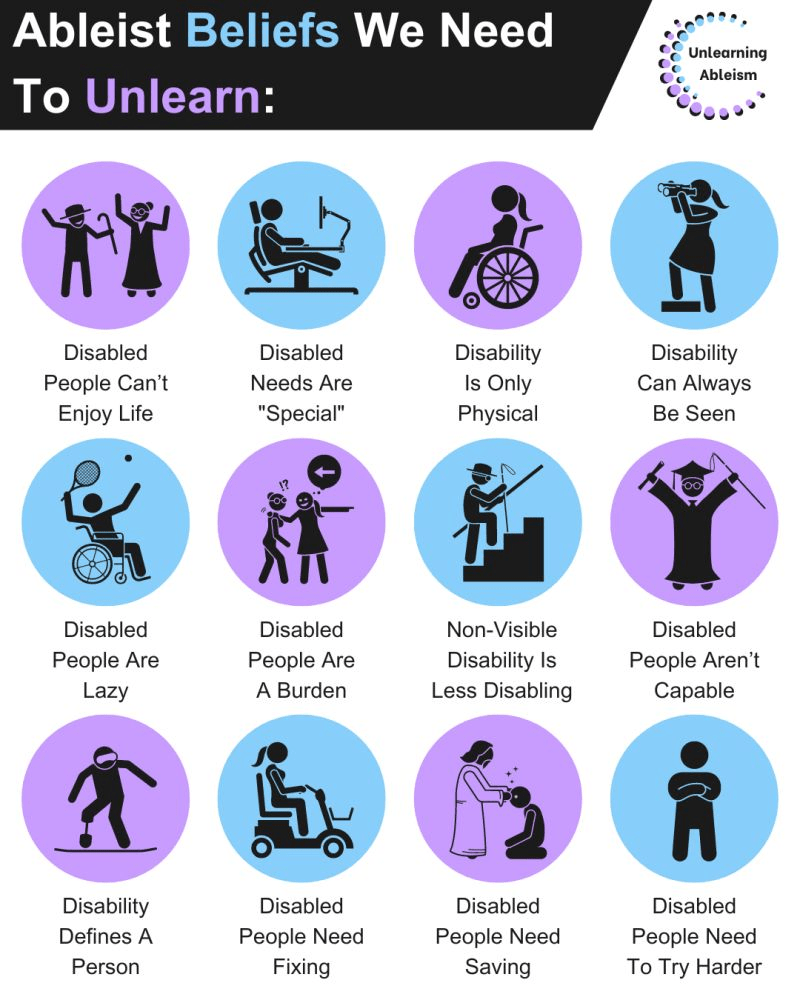
The pandemic has only compounded this issue. COVID-19 led to an explosion in mental health struggles, with anxiety, depression, and PTSD skyrocketing across the population. But the truth is that these mental health conditions are not merely “post-pandemic issues” or just reactions to individual hardship.
They are justified, rational responses to the reality we now live in—a world rife with uncertainty, climate crisis, economic instability, and social inequality. To ignore the toll this has taken on people is to ignore the very nature of human dignity in the face of adversity.
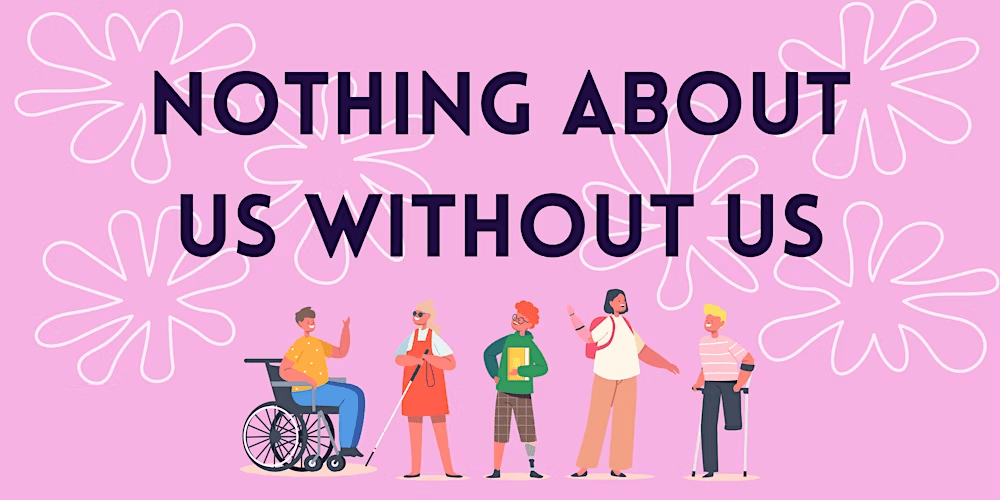
The Unseen Reality: Why Disabled People Aren’t in Work
The UK Government, in its relentless pursuit of austerity and welfare cuts, has consistently failed to understand that people with disabilities or chronic conditions are not “lazy” or “unwilling” to work—they are systematically excluded from the workforce due to a lack of support and adequate accommodations.
The myth that disabled people do not want to contribute is damaging and entirely false.
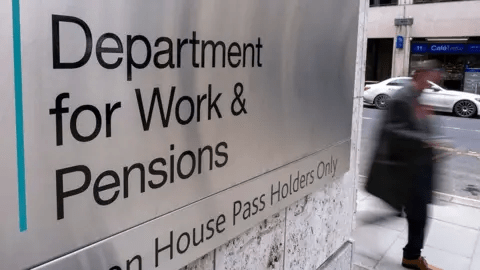
Many disabled people would love the opportunity to work, to have an income, and to feel valued in society. But the barriers we face—whether it’s physical inaccessibility, a lack of reasonable adjustments, or the exhaustion caused by a system that doesn’t support us—often make it impossible to find and maintain employment. Add to this the crushing weight of the Personal Independence Payment (PIP) application process, which is long, dehumanising, and arduous. It’s an application process so complex, so emotionally draining, that it often feels like an obstacle designed not to provide help but to discourage applicants.
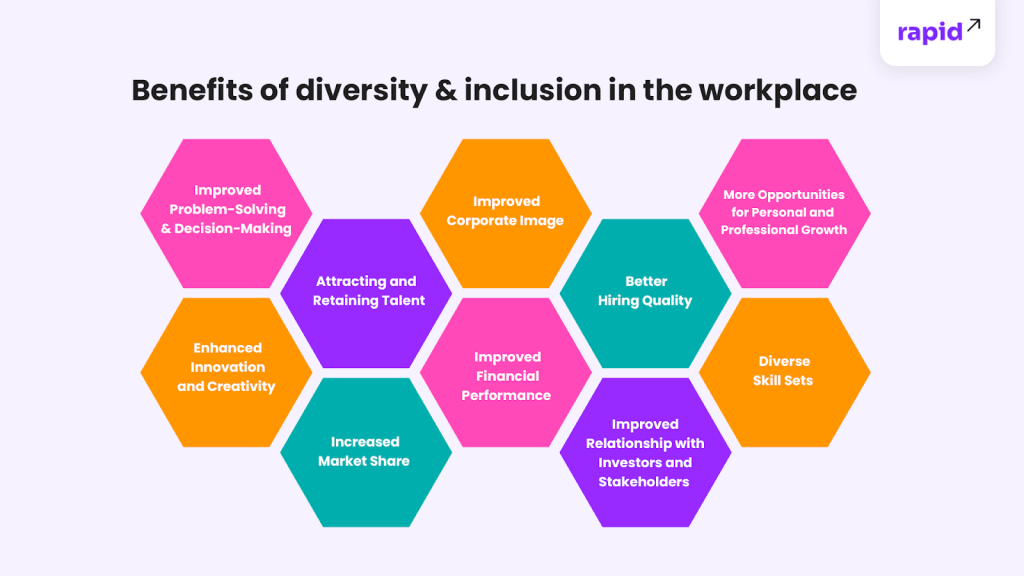
What the government fails to see is that disability is not something that can be overcome by sheer willpower or the drive to “get on with it.” Disability is an ongoing challenge, often complicated by mental health issues that make navigating daily life even more difficult. When people are denied financial support or adequate care, they are effectively shut out of the chance to lead full, independent lives. It’s not that we don’t want to work; it’s that the system has not created a space for us to do so.
The PIP Process: A Barrier to Support
For those who need PIP, the process can be a gauntlet of paperwork, assessments, and delays. The application itself feels like a test of endurance rather than a process meant to provide aid. Many people, myself included, report feeling judged and humiliated in assessments, which are often conducted by people with little to no understanding of their lived experience. The criteria are rigid, often overlooking the nuances of mental health conditions, fluctuating disabilities, or the fact that many people don’t have visible disabilities.
The result? Far too many disabled people are denied the support they need. They are left to navigate a broken system that seems more interested in finding ways to avoid giving them the help they deserve than in acknowledging their genuine struggles.
It’s not just a failure of policy; it’s a moral failure. When people are denied the very basics—financial support, access to healthcare, dignity—it is saying we are not valuable. That our lives don’t matter. This is not a system that works for all; this is a system that is set up to make it harder for those who need it most to get the help they deserve.
The State of the World: Anxiety and Depression Are Justified Reactions
Let’s talk about mental health. In the current global landscape, it’s no surprise that so many people are struggling. Economic instability, the climate crisis, the aftereffects of the COVID-19 pandemic—these are not abstract concerns. They are real threats that are leaving many of us feeling overwhelmed, helpless, and anxious. For those already living with disabilities or long-term conditions, the world can often feel like a hostile place.
Anxiety and depression are not the result of personal weakness—they are natural, justified responses to the world we are living in. The government’s response should not be to punish people for their mental health struggles by cutting essential benefits or making it harder for them to access support. Instead, we need a system that acknowledges the overwhelming pressures on people’s lives and provides the necessary resources for them to cope and thrive.
Holding the Government Accountable
It’s time to hold the government to account. The current system is not working. It is actively making the lives of disabled people harder. It is exacerbating poverty, inequality, and social exclusion. The government must stop focusing on austerity measures and instead invest in a welfare system that actually meets people’s needs. We need better access to healthcare, more support for mental health, and a fairer benefits system—one that recognises the realities of living with a disability or mental health condition and doesn’t force people to fight for basic rights.
At its core, this is a question of human dignity. Disabled people deserve the same opportunities as anyone else to live a fulfilling life, to work, to participate in society. The current system not only fails to provide that but actively obstructs it. The government must change course—not just for the sake of disabled people but for the sake of a society that claims to value fairness, equality, and justice.
We must stand up for those who are being left behind. We must demand a system that truly supports everyone, regardless of ability, and guarantees access to basic needs. It’s time to stop stripping disabled people of their basic human rights—and to start building a society that recognises and values our contributions, struggles, and humanity.
Feature image credit: Paula Peters
 Spectrum Spark
Leave a comment