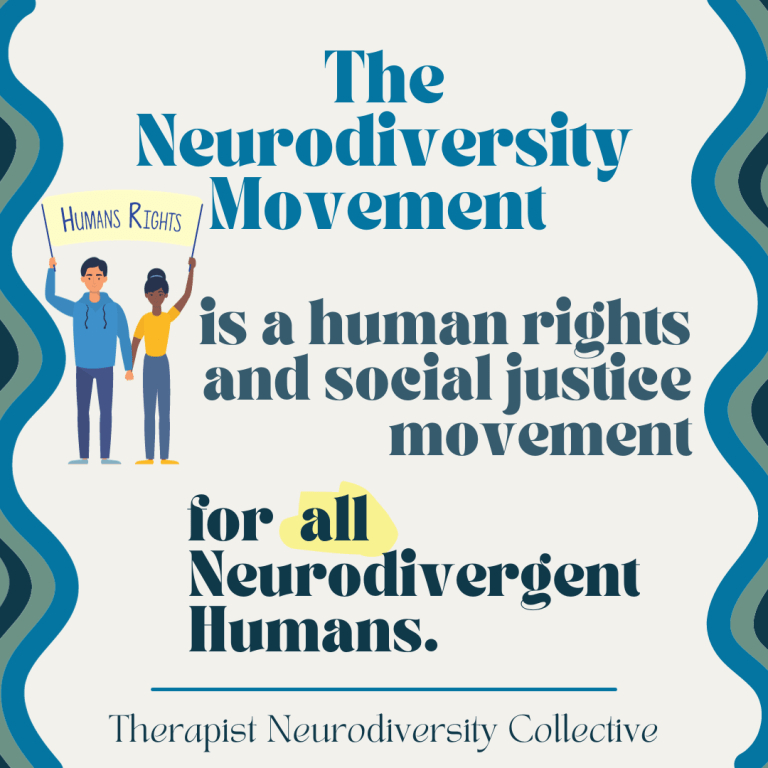
Neurodiversity Week serves as a powerful reminder of the diversity of human minds and the importance of embracing this spectrum. It is a time to acknowledge the challenges, disparities, and oppression that many neurodivergent individuals face, as well as to celebrate the unique strengths, talents, and contributions that these individuals bring to society. Neurodivergent people, including those who have not yet been diagnosed, BIPOC, non-speaking individuals, those with intellectual disabilities, people with co-occurring conditions, and those from diverse cultural backgrounds, all deserve recognition and support. Neurodiversity Week is an opportunity to amplify the voices of these communities and highlight the need for greater understanding, compassion, and inclusion.
Recognition of Diverse Experiences Within Neurodiversity
Neurodivergent individuals encompass a range of experiences, including but not limited to autism, ADHD, dyslexia, dyspraxia, and others. However, this community is not monolithic. Many neurodivergent individuals may not even have a formal diagnosis. These people often go undiagnosed or misdiagnosed, especially if their conditions do not fit neatly within the traditional frameworks of diagnosis. Neurodiversity Week allows space to acknowledge these individuals and validate their experiences, even if they have yet to navigate formal diagnostic processes.
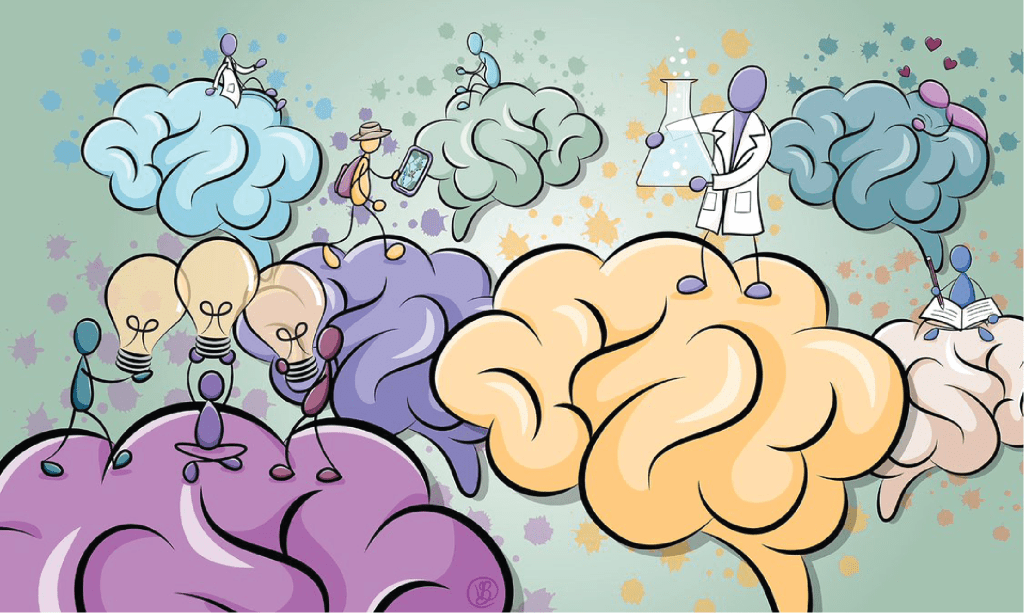
The neurodivergent community is incredibly diverse, and this diversity is often overlooked.
Additionally, non-speaking individuals and those with intellectual disabilities may be overlooked in neurodiversity conversations. Neurodiversity Week offers an opportunity to shift the conversation to be more inclusive of these often-marginalized individuals. Non-speaking autistic individuals, for example, may face significant communication barriers, yet their intelligence and potential are often underestimated. By focusing on the inclusion of non-speaking individuals, we promote a more nuanced understanding of neurodivergence, one that appreciates different ways of communicating and being.
Highlighting Co-Occurring Conditions and Intersectionality
Many neurodivergent individuals live with co-occurring conditions. For example, an autistic person may also experience mental health challenges, such as anxiety or depression. Similarly, individuals with ADHD may also have learning disabilities. These co-occurring conditions can complicate diagnoses, access to services, and the understanding of an individual’s full experience. Neurodiversity Week is an important time to recognise these intersections and advocate for better, more integrated support systems.
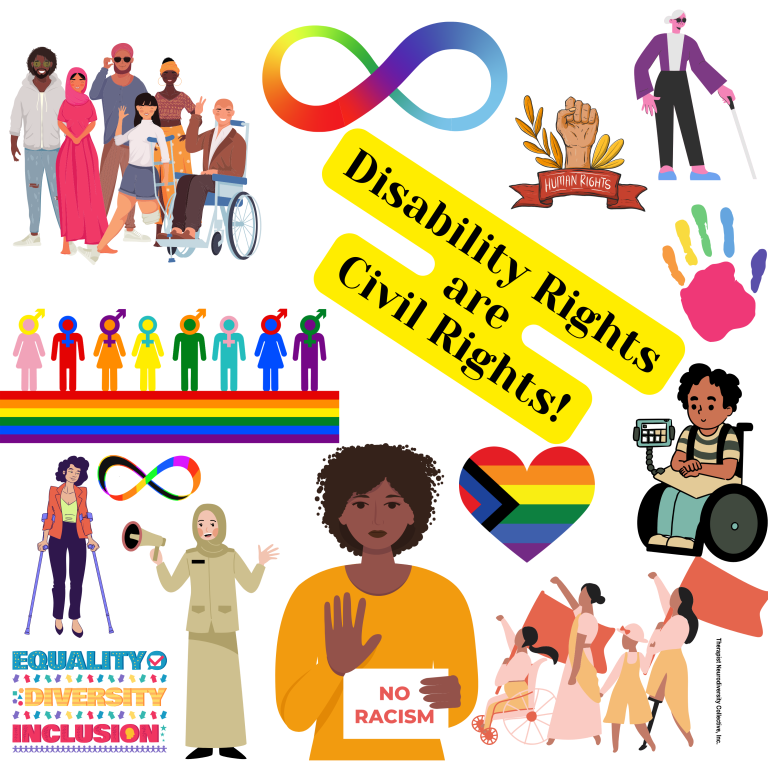
Furthermore, neurodivergent experiences are shaped by other aspects of identity, including race, culture, and socioeconomic status. Black neurodivergent individuals, for example, may face additional challenges due to systemic racism and the underrepresentation of people of colour in neurodiversity discussions.
The experiences of neurodivergent individuals are not uniform, and factors such as race, gender, class, and culture must be taken into account when advocating for equity and inclusion.
Neurodiversity Week can serve as a platform to raise awareness of these intersecting identities and the unique challenges they present.
Indigenous neurodivergent individuals, especially those in rural or remote communities, may face barriers in accessing services and support due to geographic isolation, lack of culturally appropriate resources, or historical trauma. Neurodiversity Week provides an opportunity to highlight the specific needs of these groups and to call for more culturally sensitive approaches to neurodivergent care.
Challenging Oppression and Disparity
While Neurodiversity Week is a time for celebration, it is equally important to focus on the challenges and oppressions that neurodivergent individuals face. Far too often, neurodivergent people experience discrimination, marginalisation, and systemic barriers that prevent us from fully participating in society. Whether it’s being excluded from educational opportunities, denied appropriate healthcare, or facing social stigma, neurodivergent individuals are disproportionately affected by poverty and austerity policies.
In many cases, the healthcare system fails to provide adequate support to neurodivergent individuals, particularly those with intellectual disabilities or non-speaking individuals. Access to therapies, educational support, and employment opportunities can be limited, and this can perpetuate cycles of inequality. Neurodivergent individuals are often subject to discrimination in workplaces and educational settings, which can hinder their opportunities for personal and professional growth.
Moreover, austerity measures and budget cuts to social programs often disproportionately affect marginalised neurodivergent communities. Families and individuals struggling with neurodivergent conditions may find it difficult to access the services they need, contributing to social and economic disparities. Neurodiversity Week should not only celebrate the strengths of neurodivergent individuals but also call attention to these systemic issues and advocate for the policy changes necessary to address them.
Advocates and Allies: Family, Friends, and Community
Neurodiversity Week is not only for neurodivergent individuals, but also for their families, friends, and advocates. These individuals play a crucial role in supporting neurodivergent people, navigating the challenges they face, and pushing for a more inclusive and supportive society. Family members, in particular, often become lifelong advocates for their loved ones, fighting for better access to services, education, and employment opportunities.
Moreover, neurodivergent advocates themselves play a vital role in this conversation. People who are autistic, ADHD, or have other neurodivergent conditions are increasingly speaking up about their experiences, challenging stereotypes, and educating the public about the realities of living with these conditions. Our advocacy is crucial in shifting societal perceptions and in creating more inclusive communities.
Neurodiversity Week is important because it highlights the complexity and richness of the neurodivergent community. It is a time to celebrate the strengths, talents, and contributions of neurodivergent individuals while also acknowledging and addressing the challenges we face. Whether it is through recognising co-occurring conditions, supporting marginalised groups, or advocating for policy changes, Neurodiversity Week provides a platform to elevate the voices of all neurodivergent people.
It is a time to foster a deeper understanding of neurodiversity and to call for a more equitable and inclusive society for everyone.
 Spectrum Spark
Leave a comment