Throughout history, societies have often feared what they do not understand, and in the case of autism, this fear has led to exclusion, misunderstanding, and marginalisation. For many centuries, disabled individuals were treated as burdens or curiosities, hidden away or forced to conform to an ideal that was never theirs to meet. This fear of difference has been woven into the fabric of our society, and it has shaped how autistic people have been treated, both in Scotland and across the world. But as we continue to push for progress, it becomes ever clearer that true inclusion and equity will not be achieved simply through awareness alone. This will require a deeper understanding, meaningful change, and a commitment to seeing the inherent value in every individual, regardless of how they experience the world.
In Scotland, like much of the UK, the history of autism is a complex one, marked by periods of invisibility and ignorance. For much of the 20th century, autistic individuals were often misunderstood and isolated. There were few services, difficulties with formal diagnosis, and little in the way of support for families or individuals who struggled with the challenges autism presented. If you were an autistic child in the 1960s or 1970s, your chances of finding any kind of real help were slim, and your potential for a fulfilling life was often overlooked entirely. Autism was, for many years, a mystery, and it was framed as a condition that could be “fixed” rather than understood or embraced. In those years, there was little recognition of neurodiversity or the idea that autistic individuals had strengths and unique perspectives that could enrich society.
It wasn’t until the 1990s and early 2000s that Scotland began to take autism more seriously. The introduction of Scotland’s National Autism Strategy in 2008 marked a pivotal moment, providing some of the first formal recognition of the unique needs of autistic people in the country. But while we can point to moments of progress, the reality of being autistic today is still far from the inclusive, supportive environment we strive for. Autistic individuals face stark inequalities in almost every area of life—from education and employment to healthcare and social relationships. The diagnostic process remains a difficult and often inaccessible journey for many, and once diagnosed, access to appropriate support can be inconsistent, leaving families and individuals to navigate a system that is often as confusing as it is inadequate.
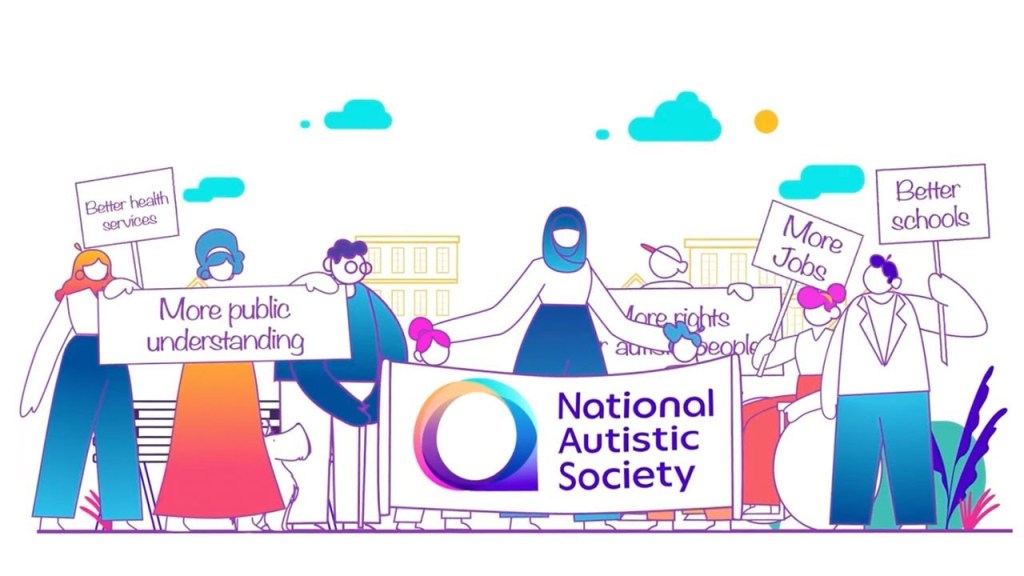
When we talk about inclusion, we must look beyond the idea of simply ‘tolerating’ difference. True inclusion is about creating spaces where people, regardless of their neurodivergence, can thrive. The reality for many autistic individuals in Scotland today is one of ongoing struggle, far beyond the barriers to employment. While many face challenges in finding and maintaining work, this issue is part of a broader context of unmet needs. Autistic individuals often struggle with a wide range of issues, including accessing appropriate healthcare, securing stable housing, and participating in social activities without facing discrimination or isolation. The lack of proper support can lead to mental health issues, anxiety, and depression, all of which are compounded when autistic individuals have co-occurring conditions such as ADHD, OCD, or learning disabilities. These conditions, which are often present alongside autism, can make navigating everyday life even more difficult, as they are frequently overlooked or misunderstood by healthcare professionals, educators, and employers. For individuals with these co-occurring conditions, the systems in place to support them often fail to meet their needs and too many individuals are branded ‘too complex to treat’, leading to further marginalisation and a lack of appropriate care.
The narrative around autism in Scotland, much like the rest of the world, still often focuses on what autistic individuals lack, rather than what they have to offer. This is where change must begin. We need to shift our perspective on disability and difference. Autism is not something to be fixed—it is a way of being that adds depth and diversity to our shared human experience. We need to move away from the outdated idea that those who are different from the majority must be “normalised” and instead create an environment where everyone’s strengths are valued and where inclusion is not an afterthought but a core principle. This means improving access to early intervention and support, making schools more flexible and better equipped to address the varied needs of autistic students, sensory-friendly environments designed by autistics, and creating workspaces that not only welcome neurodiverse individuals but actively encourage their participation, contribution and leadership. More needs to be done to ensure that every autistic person has the opportunity to achieve their full potential, and that they can do so in an environment that doesn’t just accommodate them, but empowers them.
Perhaps most importantly, we must listen to the voices of autistic individuals themselves. We are the experts in our own experiences, and the solutions to the challenges we face must be shaped by our input. It is essential that autism is not seen as a problem to be solved by professionals, but as a part of the rich tapestry of human diversity that we all share. We need more spaces where autistic individuals can be heard, where their concerns are taken seriously, and where their needs are not only met but anticipated. This is not simply a matter of charity or good intentions; it is a matter of equity. Autistic individuals should have the same opportunities to succeed in education, find meaningful employment, and live fulfilling lives as anyone else.
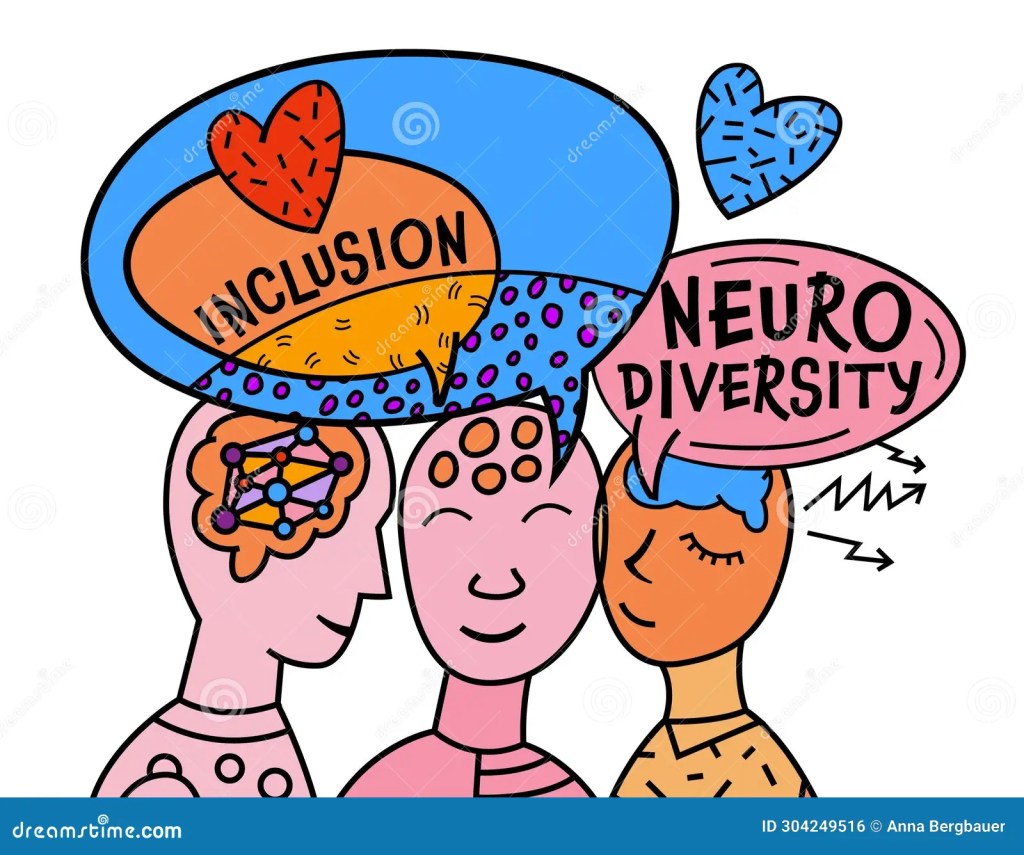
It’s crucial that we move beyond the concept of mere inclusion and stop settling for the bare minimum. Inclusion, as it’s often understood today, can sometimes mean just allowing people to exist in the same spaces, but that is not enough. True inclusion means actively creating environments where autistic individuals—not just tolerate, but truly thrive. This means not just adapting spaces to accommodate, but designing systems that recognise and nurture the diverse needs of each individual. Inclusion must be proactive, intentional, and holistic, encompassing every aspect of life—education, employment, healthcare, relationships, and community engagement.
“When we talk about inclusion, it’s time to stop treating it as a checkbox on a list or a minimal requirement for equality”.
We can no longer afford to simply make “reasonable adjustments” and pat ourselves on the back for doing the bare minimum. The society we are striving for should be one where autistic individuals have the same opportunities to succeed, to enjoy fulfilling relationships, to experience a sense of belonging, and to access the same rights and freedoms that anyone else does. True equity involves dismantling the barriers that continue to exist within systems, and ensuring that every autistic person, regardless of their additional needs or co-occurring conditions, is provided with the resources, support, and opportunities necessary to live their fullest, most meaningful lives. This is not just about fairness—it is about embracing the richness that difference brings to our collective experience. And that requires us to go beyond inclusion, to a deeper level of respect, understanding, and care for every individual’s humanity.
path toward full inclusion is still being forged. But it is clear that the change we need goes far beyond policies and legislation—it requires a fundamental shift in how we perceive and value difference. If we are to create a society that is truly inclusive, we must be willing to confront our own fears and misunderstandings about autism, to educate ourselves, and to build a world that celebrates the diversity of all its citizens. The work is far from done, but the potential for a better, more inclusive future is within our reach. All it requires is the courage to make the change that is long overdue.
Feature image credit: Todd Balfour
 Spectrum Spark
Leave a comment